Medical Experts Issue Warning as Patients Demand ‘Unvaccinated’ Blood
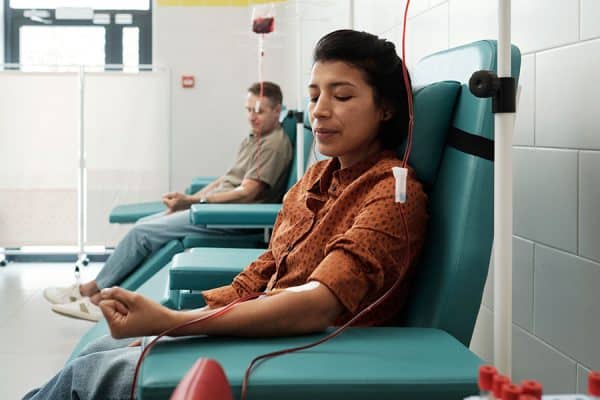
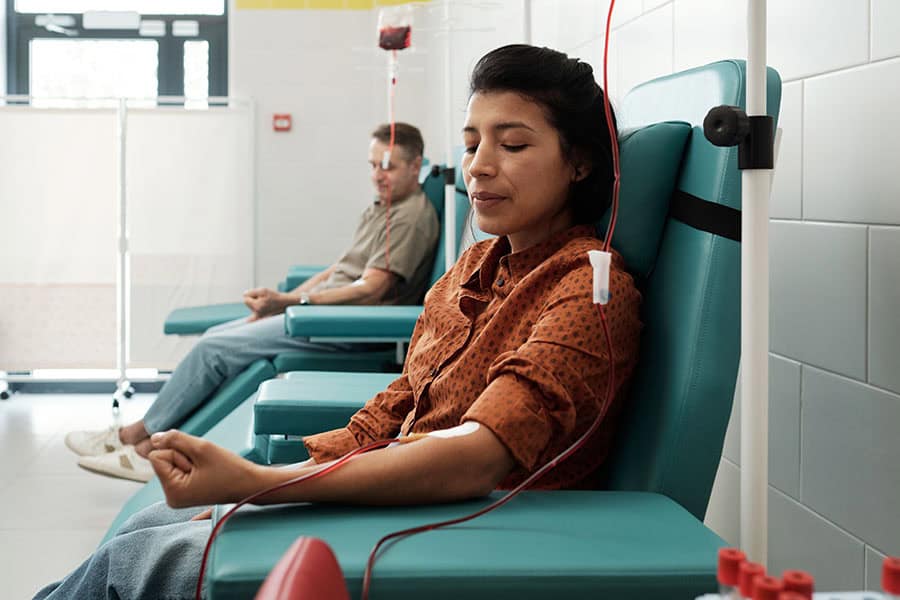
A concerning trend is emerging within the medical community, as an increasing number of patients are formally requesting “unvaccinated” blood for transfusions. Driven by persistent anxieties regarding the COVID-19 vaccine, these patients are opting to bypass standard blood supplies in favor of “direct donations” from family members or friends.
While the desire for patient autonomy is understandable, medical experts are sounding the alarm. They warn that refusing the established, highly regulated blood supply in favor of directed donations may introduce unnecessary and potentially severe health risks to the recipient.
The Risks of Directed Donations
A recent study published in the journal Transfusion highlights this shift, noting that patients are increasingly seeking blood exclusively from donors who have not received mRNA vaccines. At Vanderbilt University Medical Center, researchers documented instances where patients specifically arranged for family members to donate blood to avoid the general supply.
However, medical professionals emphasize that this practice is often counterproductive. Directed donors are frequently first-time contributors, and their blood is statistically more likely to contain pathogens compared to the rigorously screened, regular donor pool. The established blood supply undergoes extensive testing, making it the safest option for patients in need.
Addressing the ‘Spike Protein’ Narrative
The surge in these requests is largely fueled by misinformation surrounding “spike proteins” allegedly present in the blood of vaccinated individuals. Critics have propagated unsubstantiated claims that these proteins could lead to serious health complications, including blood clots or “turbo cancers.” Major medical institutions continue to refute these claims, citing a lack of scientific evidence.
Dr. Marc Siegel, a senior medical analyst, characterized the trend as a byproduct of an “ongoing fear culture.” He cautioned that while individuals may feel empowered by choosing their donors, such practices are not only expensive but also severely limit medical options during critical, life-saving emergencies.
The Challenge of Medical Infrastructure
A fundamental hurdle for those seeking “pure” blood is the lack of supporting medical infrastructure. Diane Calmus, Vice President of Government Affairs for America’s Blood Centers, has pointed out a critical flaw in these requests: there is currently no medical test capable of distinguishing between vaccinated and unvaccinated blood.
Despite these scientific limitations, some regions are exploring the formalization of these requests. Oklahoma, for instance, has seen proposals to create dedicated blood banks for those who wish to ensure their blood comes from unvaccinated donors. As the healthcare industry navigates this era of vaccine skepticism, the tension between patient preference and established medical safety protocols remains a significant challenge.