Kelly Monrow Goes Back to Childhood on New Single
Kelly Monrow spent years building a reputation as an Americana singer-songwriter. Then she wrote a rap.
The Austin-born singer-songwriter, actress, and multidisciplinary artist released her latest single, “Dear Dolly: A Child’s Memo,” on March 27, marking one of the most significant creative pivots in her catalog to date. Known primarily for her Americana and indie-pop sound — the foundation she built on her 2022 debut album Scars of Venus — Monrow steps into altogether different sonic territory here, navigating spoken word, rap cadence, and gospel-influenced hip-hop in a track that functions less like a song and more like a reckoning.
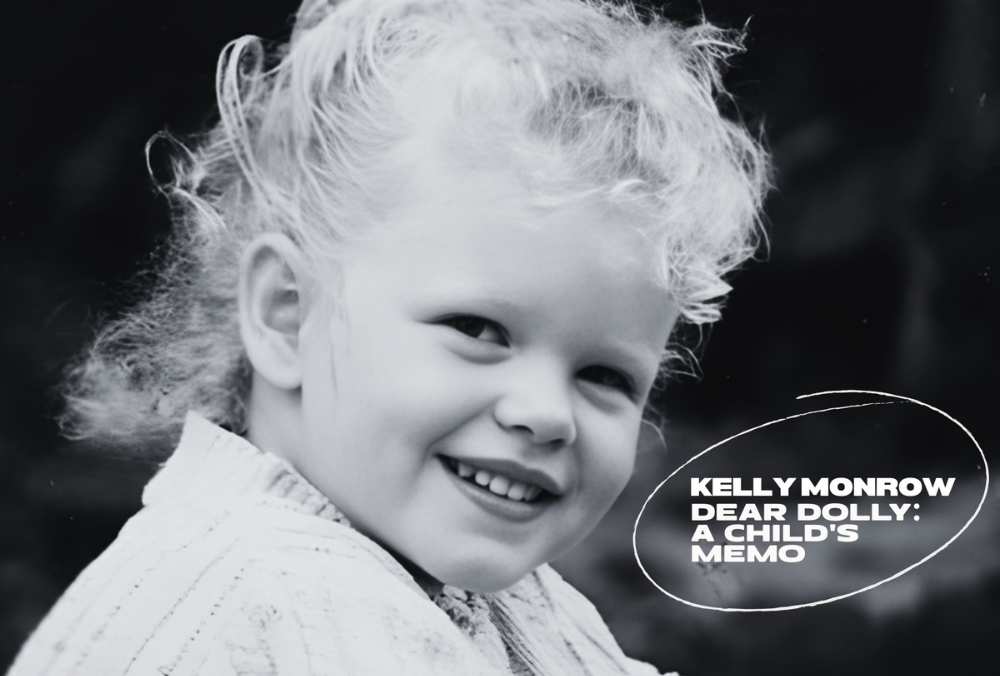
What makes the release notable isn’t just the genre departure. It’s the source material. “Dear Dolly: A Child’s Memo” draws directly from Monrow’s childhood, tracing themes of emotional pressure, premature responsibility, and the kind of quiet survival that doesn’t make it into most origin stories. The track opens with a French-language spoken introduction — a nod to a chapter of her personal life spent in France — before shifting into rhythmic verses that chronicle the path from early hardship to spiritual awakening and self-realization.
The title itself carries weight. “Dolly” is not a Dolly Parton reference, though Monrow has long loved the country icon. It was her own childhood nickname, one her family still uses. That detail alone repositions the track entirely — this is not an homage. It is a letter to herself.
Lyrically, the single builds towards affirmations of agency and personal power, arriving at a place of stability rather than lingering in the wound. That distinction matters. Kelly Monrow, who stepped fully into music during the pandemic after an acting career that included appearances on Billions, Lucifer, and American Crime Story, has consistently framed her work around authenticity over industry calculation — and this release extends that stance.
“Dear Dolly: A Child’s Memo” arrives not as a commercial repositioning, but as a natural expansion of an artist committed to following the story wherever it leads — even when that means trading acoustic guitar for spoken testimony.